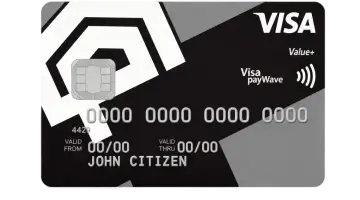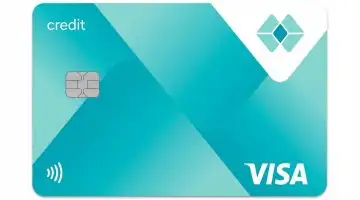
Low interest rates and no rewards fluff — that’s the promise of the Citi Clear credit card. But does it actually deliver for everyday Australians?
For years, this card carved out a loyal following among those who preferred straightforward credit over points-chasing complexity. No surprise there. Plenty of Australians still carry a balance from month to month and need a card that won’t punish them for it.

Recommended Articles
Below we share articles on this topic. Read on:This review breaks down everything you need to know: the real cost of holding this card, how it compares to similar low-rate credit cards in Australia, who it suits best — and a few honest caveats worth knowing before you apply.
We’ll walk through the key features, balance transfer options, annual fee considerations, and when you might be better served looking elsewhere. No fluff, no sponsored cheerleading.
If you’ve been Googling Citi Clear credit card Australia and want a clear-headed answer, you’re in the right place. Let’s get into it.
What Is the Citi Clear Credit Card?
The Citi Clear card is a low-rate credit card designed for Australians who prioritise keeping interest costs manageable over earning travel points or cashback rewards.
Originally issued by Citibank, the card’s management transitioned following NAB’s acquisition of Citibank’s Australian consumer banking operations in 2022. The Citi brand and product line continued operating, though it’s worth checking current terms directly with the issuer for the most up-to-date details.
The core appeal is simple: a lower-than-average purchase interest rate compared to standard rewards cards, which typically carry significantly higher rates. For anyone who occasionally carries a balance — or wants a reliable backup card without eye-watering interest — that’s a meaningful difference.
That said, “low rate” doesn’t mean free. There’s still an annual fee, and the interest rate, while competitive, isn’t zero. Understanding the full picture matters before you apply.
- Card type: Low-rate credit card
- Issuer: Citi (operated in partnership with NAB following 2022 acquisition)
- Target user: Balance carriers, budget-conscious spenders, those consolidating debt
- Rewards program: Not a primary feature — this card prioritises rate over rewards
- Balance transfer: Available — often with promotional introductory offers
- Interest-free days: Up to a set number of days on purchases when you pay in full
Citi Clear Card Rates and Fees: What You’re Actually Paying
Here’s where most reviews skim over the details. Let’s be specific about what the card costs — and when those costs kick in.
The purchase rate on the Citi Clear card sits notably below what most rewards credit cards charge in Australia. Standard rewards cards frequently carry purchase rates well above 20% per annum. The Citi Clear’s rate is designed to be meaningfully lower — typically in a range that makes balance-carrying far less painful. For current rates, always verify directly with Citi, as these figures are subject to change.
Fee Breakdown at a Glance
| Fee Type | Details |
|---|---|
| Annual Fee | Applicable — varies; check current product disclosure statement |
| Purchase Interest Rate | Low rate tier — significantly below standard rewards card rates |
| Cash Advance Rate | Higher than purchase rate — avoid where possible |
| Balance Transfer Rate | Introductory promotional rate available (0% or low % for limited period) |
| Late Payment Fee | Charged when minimum repayment is missed |
| Foreign Transaction Fee | Typically applies — not ideal for overseas use |
The annual fee is the most common sticking point for potential cardholders. On a low-rate card, you’re essentially paying for cost certainty — the fee buys you access to a lower ongoing interest rate. Whether that trade-off makes sense depends entirely on your spending and repayment habits.
Quick rule of thumb: if you regularly carry a balance of a few hundred dollars or more, the interest savings from the lower rate can easily outweigh the annual fee. If you consistently pay in full each month, a no-annual-fee card might serve you better — or a no annual fee worth exploring.
Citi Clear Balance Transfer: A Smart Debt Strategy?
One of the more compelling use cases for the Citi Clear card is its balance transfer offer. Done right, this can be a genuinely useful financial tool. Done carelessly, it creates a new problem.
Balance transfer promotions allow you to shift existing credit card debt onto the Citi Clear card — often at a significantly reduced interest rate for an introductory period. This can give you breathing room to pay down the principal without interest compounding aggressively against you.
A few things to keep in mind before you commit to a balance transfer:
- Introductory period matters: The low rate applies for a limited time only. Know exactly when it expires and have a repayment plan in place before that date.
- Revert rate kicks in automatically: Once the promo period ends, any remaining balance reverts to the standard purchase or balance transfer rate. That can be a nasty surprise if you’re not prepared.
- Balance transfer fee may apply: Some offers charge a one-time fee (often a percentage of the transferred amount). Factor this into your calculations.
- Avoid new purchases during the transfer period: New purchases typically don’t benefit from the balance transfer rate and may attract the standard purchase rate immediately.
- Don’t close the old card immediately: Closing accounts can temporarily affect your credit score. Check with a financial adviser if you’re unsure about timing.
Used strategically, the Citi Clear balance transfer offer is one of the better debt consolidation credit card options in the Australian market — particularly for those who have accumulated balances on higher-rate cards and want a structured path out.
Who Should Actually Get the Citi Clear Card?
Not every credit card suits every person. Here’s an honest breakdown of who this card genuinely works for — and who should probably look elsewhere.
The Citi Clear Card Works Well For:
- Balance carriers: If you don’t always pay your statement in full, the lower purchase rate saves real money over time compared to standard cards.
- Debt consolidators: The balance transfer offer can provide a structured way to tackle existing card debt.
- Simplicity seekers: No points to track, no reward categories to optimise. Just straightforward spending and a manageable rate.
- Secondary card holders: A useful backup card for those who already have a rewards card for everyday spending but want a low-cost option for occasional purchases.
- Budget-focused households: Families or individuals managing tight cash flow benefit from interest rate predictability.
The Citi Clear Card Is Probably Not Ideal If:
- You pay your balance in full every month without exception — a no annual fee or a rewards card might deliver more value.
- You travel internationally frequently — the foreign transaction fee makes this less competitive for overseas spending.
- You want to earn points, cashback or frequent flyer miles — this card simply doesn’t offer that.
- You’re after a premium concierge service or travel insurance — not this card’s lane.
Citi Clear vs Other Low Rate Credit Cards in Australia
The Australian low interest credit cards market is reasonably competitive. A handful of institutions offer genuinely low-rate products worth considering alongside — or instead of — the Citi Clear.
When comparing cards in this category, the key variables are: purchase rate, annual fee, balance transfer terms, interest-free days, and any additional features that justify the fee.
Broadly, the market breaks into three camps:
- Low rate + annual fee: Cards like the Citi Clear fall here. You pay a fee in exchange for a competitive ongoing rate.
- No annual fee + moderate rate: Some banks offer cards with no annual fee but a slightly higher rate. Better for full-balance payers.
- 0% introductory rate + standard revert rate: Useful for short-term debt management, but the revert rate matters enormously.
The honest answer? No single card is universally “best.” The right card depends on your specific balance habits, how long you intend to carry debt, and whether extra features (insurance, concierge, lounge access) have any value in your life.
A good comparison exercise: take your average monthly balance, multiply by the annual interest rate, subtract the annual fee difference, and see which card actually costs less over 12 months. That number is more useful than any review score.
- Consider rate vs. fee trade-offs over a 12-month horizon
- Check whether introductory offers are genuinely competitive or just marketing window dressing
- Factor in any features you’ll actually use — not just ones that sound impressive
- Read the Product Disclosure Statement (PDS) before applying — it’s dry reading, but it matters
Tips for Getting the Most Out of a Low-Rate Credit Card
Choosing the right card is only step one. Using it smartly is what actually saves money.
A few practical habits that make a measurable difference:
- Set up automatic minimum repayments: Protects your credit score and avoids late fees, even during busy months.
- Pay more than the minimum: Minimum repayments are designed to keep you in debt longer. Even an extra $50 a month reduces your interest significantly.
- Use interest-free days deliberately: Time larger purchases just after your statement date to maximise the interest-free window.
- Avoid cash advances: The cash advance rate is almost always higher than the purchase rate, with no interest-free period. Use a debit card instead.
- Review your card annually: The market changes. What was the best deal two years ago may no longer be. Take 20 minutes each year to check whether you’re still on the most competitive product for your habits.
The best financial outcomes come from systems, not willpower. Automate what you can, review regularly, and don’t let inertia keep you on a suboptimal product.
Final Verdict: Is the Citi Clear Credit Card Worth It?
For Australians who carry a balance — even occasionally — the Citi Clear card represents a logical, cost-conscious choice. The lower purchase rate is the headline benefit, and in practical terms, it can meaningfully reduce the cost of everyday credit use compared to a standard rewards card. The balance transfer option adds flexibility for those working through existing debt.
It’s not a card for points enthusiasts, international travellers, or those who always pay in full. But it was never trying to be. For its intended audience — people who want predictable, manageable credit costs without complexity — it delivers on its core promise.
Before applying, compare your options using a proper credit card comparison tool, read the current PDS, and run the numbers based on your actual spending patterns. A good financial product is only as good as the fit between the product and the person holding it.
Ready to compare your options? Use a dedicated credit card comparsion tool to see how the Citi Clear stacks up against current alternatives in Australia.